Kagiso Rabada Sparks Debate After Video Shows Him Smoking Publicly
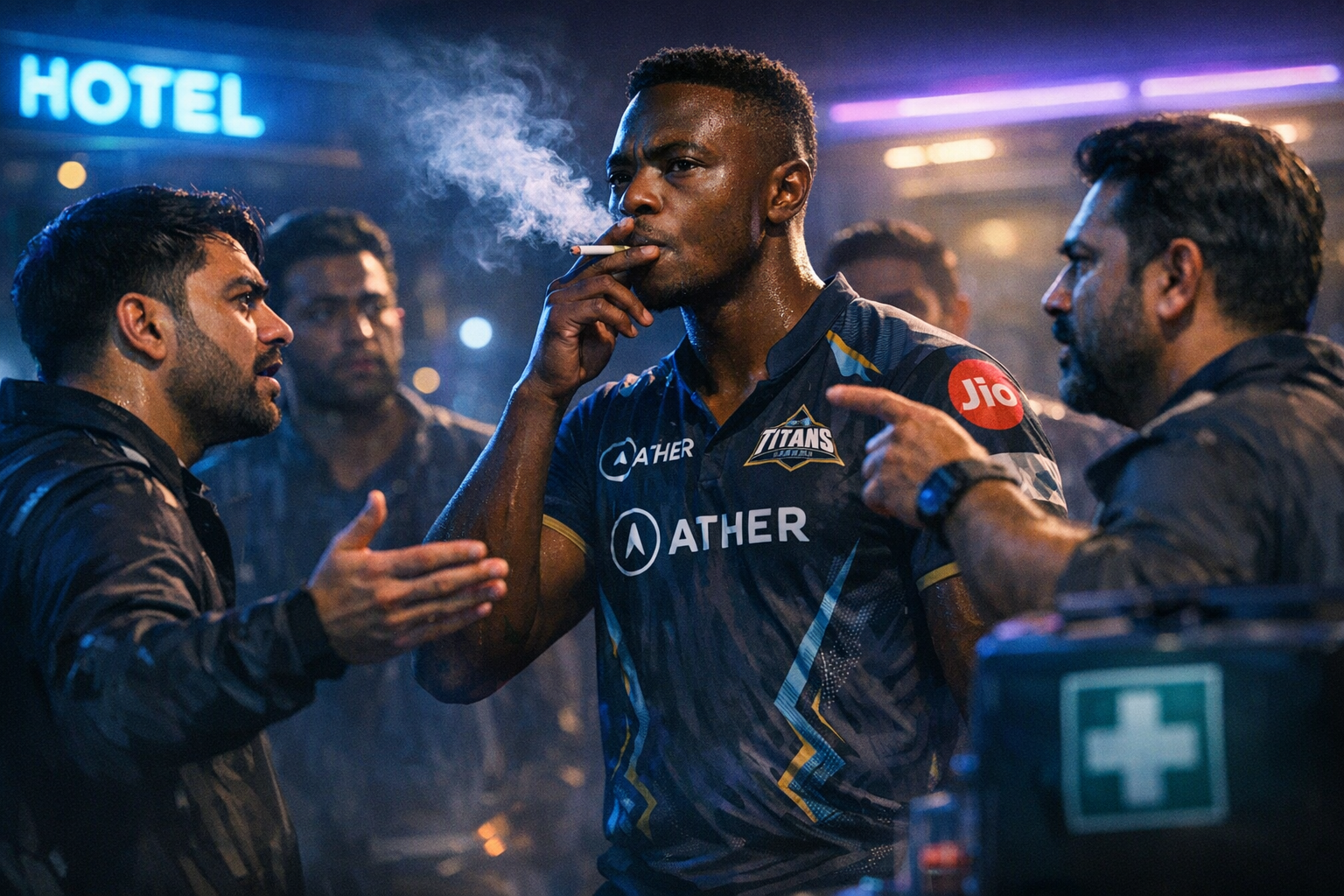
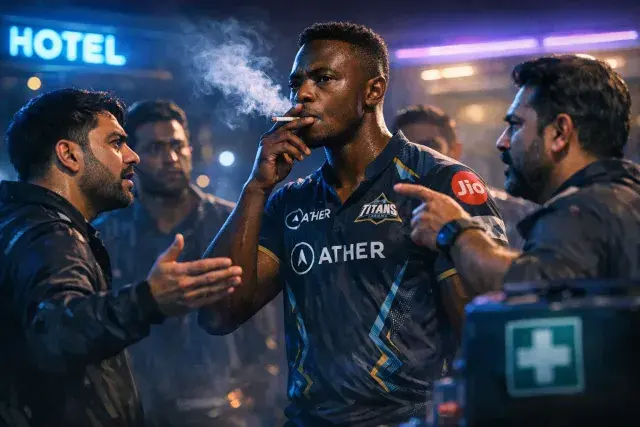
A viral video captures Kagiso Rabada lighting and smoking a cigarette shortly after a practice session, drawing immediate confrontation from teammates including Rashid Khan and staff members. The one-minute clip, filmed in what appears to be a public area near a hotel or ground, shows Rabada persisting despite the intervention, fueling widespread division among observers. This incident highlights tensions between personal habits and public expectations for high-profile figures in demanding physical roles.
Confrontation Unfolds in Real Time
The footage begins with Rabada exhaling smoke repeatedly while standing amid Gujarat Titans personnel, who had just wrapped up training. Rashid Khan approaches alongside others, visibly questioning the choice with gestures and words captured as "What is this?" Rabada neither discards the cigarette nor retreats, completing it on the spot. Such direct challenges underscore how visible personal behaviors can disrupt group dynamics, especially in environments prioritizing peak conditioning.
Health Risks Amplify Public Concern
Smoking introduces toxins that impair lung capacity and oxygen delivery, directly countering the respiratory demands of intense exertion. Nicotine constricts blood vessels, elevates heart rate, and accelerates fatigue, while carbon monoxide binds to hemoglobin, reducing endurance over time. For individuals reliant on sustained physical output, even occasional use risks diminished recovery and heightened injury susceptibility, explaining why the video resonates beyond mere optics.
Cultural Divide Over Personal Choices
Reactions split sharply: some defend it as a private matter irrelevant to professional duties, citing similar instances among other prominent figures. Others decry the public setting and example set, arguing visibility invites scrutiny and potential endorsement of harmful habits. This polarization mirrors broader societal shifts, where personal freedoms clash with role-model responsibilities amid anti-tobacco campaigns emphasizing secondhand exposure and youth influence.
Implications for Performance and Image
Beyond immediate backlash, habitual smoking correlates with slower healing from strains and increased inflammation, compounding pressures in high-stakes routines. The episode prompts reflection on boundaries between off-duty autonomy and on-duty readiness, particularly when captured publicly. While no formal repercussions appear yet, it spotlights how such moments can erode trust and intensify calls for stricter wellness standards among those under constant observation.