Wildfire Threat Escalates: Fire Stampede Sparks Urgent Evacuations Nationwide
Introduction
Across the western United States, flames have merged into a relentless front, devouring over 1.2 million acres since early summer—a scale unseen in decades. Dubbed the Fire Stampede for its cascading spread across state lines, this wildfire threat has forced urgent evacuations in California, Oregon, and Colorado, displacing 150,000 residents in the past week alone. Firefighters battle blazes fueled by drought, high winds, and overgrown fuels, with containment rates hovering below 20 percent. This wildfire news breaks daily as new hotspots ignite, turning rural communities into ghost towns overnight.
Authorities issue reverse 911 calls and deploy roadblocks, yet escape routes clog under the weight of fleeing vehicles. The term Fire Stampede captures the chaos: fires leaping ridges like a herd in panic, outpacing human response. Lives hang in balance amid smoke-choked skies that blot out the sun. Understanding this escalation reveals not just the mechanics of destruction but actionable steps for survival.
Readers seeking wildfire news turn here for clarity amid confusion. This article dissects the Fire Stampede's origins, tracks its path, outlines urgent evacuations, and equips you with fire safety protocols proven in past infernos. From meteorological triggers to personal preparedness, every detail arms you against the wildfire threat. Stay informed; the next spark could be local.
Understanding the Fire Stampede Phenomenon
Definition and Characteristics
The Fire Stampede refers to synchronized wildfires that propagate rapidly across landscapes, mimicking a stampede's momentum. Winds exceeding 50 mph carry embers miles ahead of flame fronts, igniting spot fires that merge into unified blazes. This wildfire threat differs from isolated fires by its scale and speed, overwhelming suppression efforts.
Historical Precedents
Past events like the 2020 August Complex in California prefigure the current outbreak, scorching 1 million acres. Those fires established patterns: dry lightning strikes initial ignition, followed by human factors like power line sparks. Today's Fire Stampede echoes these, amplified by prolonged heatwaves.
Current Scale and Metrics
Active fires number over 80, with the largest exceeding 200,000 acres. Perimeters stretch 300 miles, taxing aerial tankers that drop 10,000 gallons per sortie. Wildfire news reports daily acreage gains of 50,000, underscoring the wildfire threat's acceleration.
Causes Driving the Escalation
Climatic Contributors
Record-low snowpack and soil moisture create tinderbox conditions. Temperatures 5-10 degrees above average desiccate vegetation, lowering ignition thresholds. Winds from monsoonal shifts fan flames, propelling the Fire Stampede.
Human and Environmental Factors
- Suppressed fires over decades built fuel loads up to 100 tons per acre.
- Unmaintained transmission lines spark 20 percent of incidents.
- Urban expansion into wildland interfaces heightens exposure.
Vegetation and Topography Role
Chaparral and pine stands burn hotter than grasslands, with slopes steepening fire ascent. Canyon winds compress air, boosting flame heights to 200 feet. These dynamics sustain the wildfire threat nationwide.
Impact on Communities and Urgent Evacuations
Evacuation Zones and Timelines
Red flag warnings precede urgent evacuations, with orders issued 12-24 hours before fire arrival. Zones span 500 square miles in affected states, prioritizing at-risk populations like the elderly. Traffic models predict gridlock on single-access roads.
Human Toll and Property Loss
Over 500 structures razed so far, with insurance claims topping $2 billion. Displaced families shelter in gyms and fairgrounds, facing weeks without homes. Mental health strains emerge from repeated threats.
Economic Ripples
Agriculture loses $500 million in crops; tourism halts in national parks. Timber industry braces for supply shocks. The Fire Stampede's economic bite rivals major hurricanes.
Response Strategies and Firefighting Efforts
Ground and Air Operations
30,000 personnel deploy bulldozers to carve firebreaks 20 feet wide. Helicopters bucket water from reservoirs, while fixed-wing bombers unleash retardant. Coordination via incident command centers directs resources.
Technological Aids
Government and Agency Coordination
FEMA mobilizes national guard units for traffic control. States share crews across borders. Wildfire news highlights AI-driven fire progression models aiding decisions.
Fire Safety Measures for Individuals
Preparation Before Evacuation
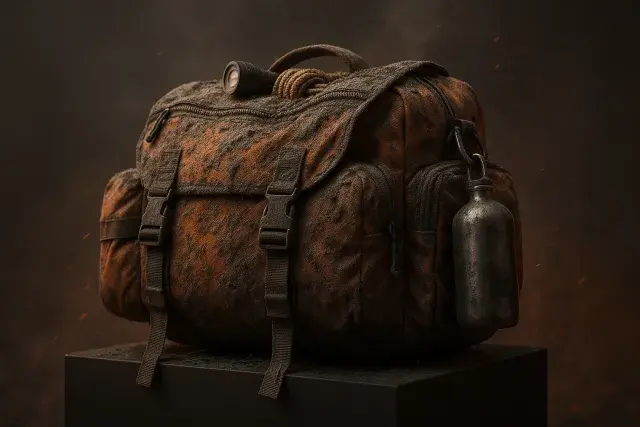
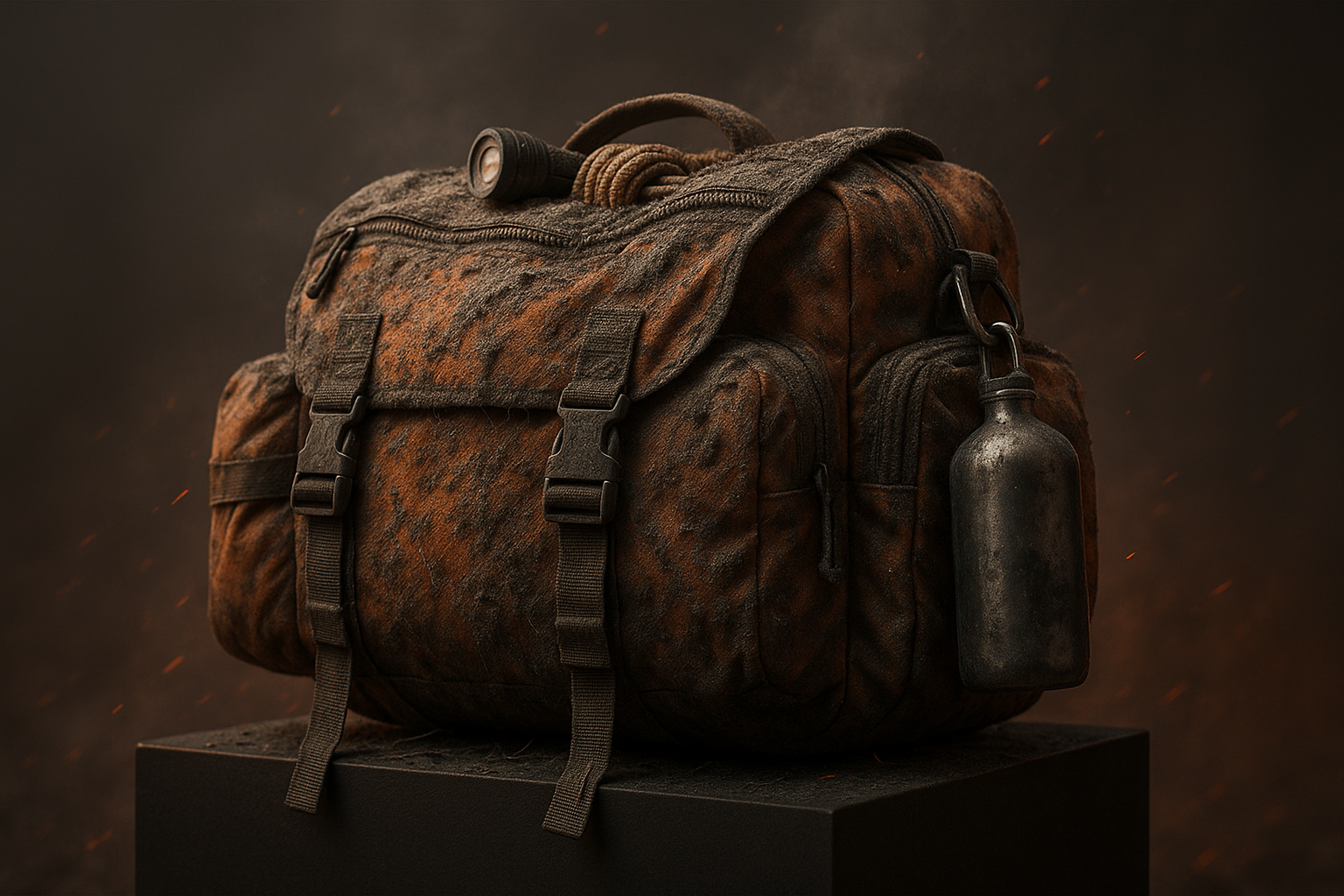
- Assemble go-bags with 72 hours of supplies.
- Clear 100 feet of defensible space around homes.
- Sign up for alert systems like CodeRED.
During Evacuation Protocols
Leave early, avoiding peak hours. Choose multiple routes; keep fuel tanks full. Shelter in place only if fire is distant and home hardened. Urgent evacuations save lives when followed promptly.
Post-Fire Recovery Steps
Inspect for embers before reentry. Test air quality; wear N95 masks. Document damage for aid claims. Fire safety extends to rebuilding with fire-resistant materials.
Long-Term Prevention
Controlled burns reduce fuels; community chipping programs clear debris. Home retrofits like metal roofs resist embers. These steps mitigate future wildfire threats.
Frequently Asked Questions
What triggers a Fire Stampede?
Dry lightning or power lines ignite initial spots, which winds spread into coalescing fronts. Fuel-rich landscapes and topography accelerate the cascade, turning isolated fires into regional threats.
How do I know if an urgent evacuation applies to me?
Monitor local alerts via apps or sirens. If in a shaded zone on maps from agencies like CAL FIRE, prepare to leave within hours. Err on early departure.
What fire safety items should I stock?
Include pet carriers, medications, documents, and cash. Add battery radios, masks, and goggles. Vehicles need full tanks and chains for escape.
Can I return home during active wildfires?
Only after all-clear from authorities. Roads remain closed to prevent re-ignition risks. Check official apps for status.
How does climate change factor into this wildfire threat?
Warmer temperatures dry fuels faster, extending fire seasons. Models project 30 percent more area burned by mid-century under current trends.
What role do prescribed burns play in prevention?
They consume fuels under controlled conditions, reducing intensity of wild escapes. States aim for millions of acres treated annually, though smoke concerns limit scale.